








A single collision loss can now generate a far larger data trail than a claims file from a decade ago: FNOL narratives, uploaded images, telematics, repair plans, parts invoices, prior-loss records, payment histories, and shop performance data. AI insurance fraud detection is being deployed to make sense of that volume earlier in the claim, often before an adjuster or estimator has completed the first review.
For carriers, the business case is straightforward. Fraud and questionable claims increase indemnity and expense costs, consume adjuster capacity, and can distort severity analytics. For collision repairers, however, the impact is more operationally complicated. A fraud score can speed up an ordinary claim, but it can also introduce additional documentation requests, payment holds, and scrutiny of legitimate repair procedures when the system lacks repair-context data.
The practical question for repair networks is no longer whether carriers will use these tools. It is how fraud models will affect authorization timing, supplement handling, customer communication, and the evidence shops need to retain.
Where AI insurance fraud detection enters the collision claim
Most fraud systems do not make a final fraud determination on their own. They assign a risk score or flag patterns for special investigation units, claims examiners, or vendor partners to review. The strongest use cases are typically high-volume screening tasks where a human team would struggle to evaluate every file consistently.
At first notice of loss, models may compare the reported loss circumstances against policy tenure, prior claims, payment changes, vehicle history, geographic patterns, and the timing of coverage changes. Computer vision tools can also examine photos for signs of image reuse, editing, inconsistent damage, or a mismatch between the described point of impact and visible vehicle condition.
As the claim progresses, analytics can look for anomalies across estimates, invoices, parts usage, labor operations, rental duration, towing charges, medical billing, or repeated relationships among claimants, vehicles, shops, attorneys, and service providers. Network analysis is particularly relevant because organized fraud often becomes visible through connections that are not obvious in an individual claim file.
That does not mean an unusual claim is a fraudulent one. Late-model vehicles with ADAS, EV battery concerns, structural damage, or parts delays can produce repair plans and cycle times that differ sharply from historical averages. A system trained primarily on older vehicle populations may flag necessary calibrations, scan charges, OEM procedures, or lengthy parts backorders as outliers. That is an analytical signal, not proof of misconduct.
The claims economics behind faster triage
Fraud detection is often discussed as a loss-prevention technology, but carriers also see it as a workflow tool. A well-calibrated model can route low-risk claims toward faster handling while directing high-risk files to experienced reviewers. This segmentation can reduce manual touch time, prioritize SIU resources, and help carriers identify leakage before payments are issued.
For repairers, faster clearance of low-risk work could support more predictable production planning. A claim that moves quickly from estimate approval to parts ordering helps a shop protect stall utilization and customer satisfaction. The benefit is greatest when the carrier’s risk model is integrated with claims operations rather than used as a separate gate that creates unexplained delays.
The trade-off is false positives. If a model sends too many legitimate collision files into enhanced review, cycle time rises and the customer sees a repair facility as the point of friction, even when the hold originates with the insurer. MSOs and DRP participants should track this impact by carrier: authorization lag, supplement response time, documentation rework, payment timing, and the proportion of files requiring extra review.
Those measures turn a broad technology trend into an accountable operating issue. A shop that sees repeated delays tied to a particular documentation gap can adjust its intake process. A carrier that sees high false-positive rates in a repair segment can improve its model and rules.
Why repair context matters more than anomaly scores
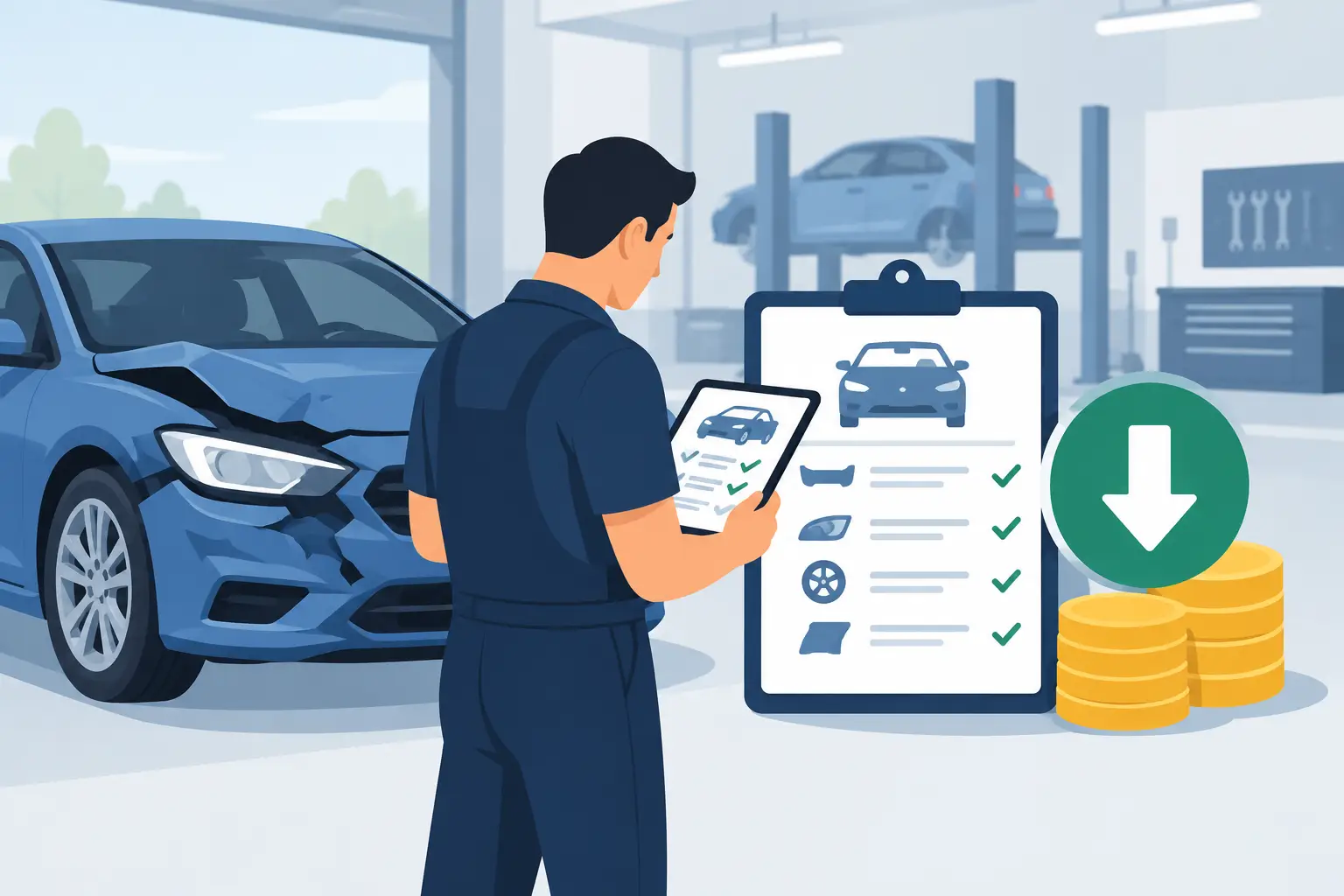
Collision repair produces legitimate variation. A bumper cover that appears minor in a customer photo may conceal damaged absorbers, brackets, radar components, active grille shutters, wiring, or mounting points. A vehicle may require multiple scans and calibrations because of the actual damage condition, OEM position statements, or post-repair verification requirements.
AI systems that evaluate only total estimate dollars or line-item frequency will miss that context. The same is true of parts procurement. A repairer may use an OEM part because an alternative is unavailable, inappropriate for the repair, restricted by policy language, or incompatible with a safety-related procedure. A price variance is not inherently a red flag.
Repairers can help reduce avoidable friction by ensuring that the file tells the technical story clearly. That means repair plans should connect operations to damage evidence, OEM procedures where applicable, diagnostic findings, photos, and parts availability facts. Supplements should explain what changed after teardown rather than simply presenting a revised total.
This is not about writing estimates to satisfy an algorithm. It is about preserving evidence that allows a knowledgeable reviewer to distinguish a necessary repair from an unsupported charge. Clear documentation also protects the shop in disputes over repair quality, liability, and payment.
Data quality is now a production issue
The accuracy of AI insurance fraud detection depends heavily on the data entering the model. Inconsistent vehicle identification, incomplete photo sets, vague damage descriptions, duplicated administrative entries, or poorly coded operations can create misleading signals. The same problem applies when insurer data does not adequately capture vehicle trim, ADAS content, prior repair history, or the difference between a preliminary estimate and a final repair order.
For collision organizations, data discipline should sit alongside blueprinting and quality control. Estimators need consistent naming conventions and complete documentation. Parts teams need reliable purchase-order and return records. Production managers need a clear audit trail for delays caused by insurer decisions, customer approvals, parts constraints, or discovered damage.
This work has commercial value beyond fraud screening. Clean operational data improves internal cycle-time analysis, vendor negotiations, supplement management, and capacity forecasting. It also gives a repairer a stronger factual record when a carrier questions a charge or reviews network performance.
Governance will separate useful AI from costly automation
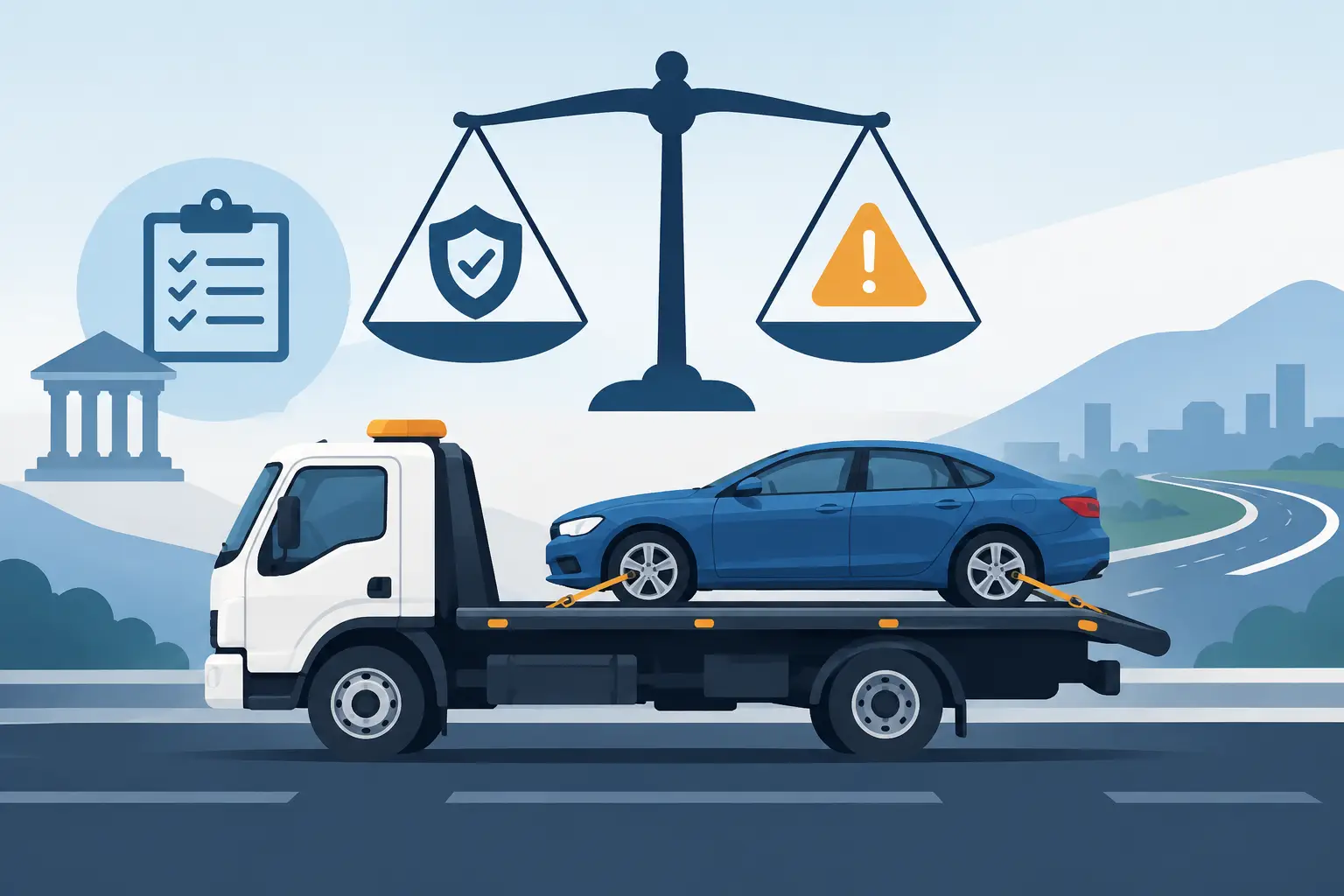
The highest-risk mistake is treating a model score as a verdict. Fraud investigations can affect policyholders, claimants, repair facilities, and payments, so insurers need human review, escalation standards, and documented reasons for adverse action. They also need to test whether their models produce uneven outcomes across customer populations, locations, vehicle types, or repair channels.
Repair businesses have their own governance responsibilities. Staff should understand what information can be shared through claims platforms, how customer photos and diagnostic reports are stored, and who can access sensitive files. Vendors offering AI-enabled estimating, image analysis, or fraud-related analytics should be evaluated for data ownership, retention terms, cybersecurity controls, model transparency, and integration requirements.
A useful procurement question is simple: when the system flags a claim, can the carrier or repairer identify the operational reason? An explanation does not need to reveal every model parameter, but it should be specific enough for a qualified person to assess whether the concern is supported by the claim facts.
What collision operators should watch next
AI adoption will likely expand beyond obvious fraud flags into claim routing, damage assessment, subrogation screening, total-loss decisions, and payment integrity. These applications will increasingly interact. A photo-based severity estimate, for example, may influence both the initial repair path and the fraud risk score attached to the file.
That creates a stronger case for repairers to participate in carrier and platform conversations early. Network leaders should ask how fraud scoring affects assignment, authorization, supplements, and escalation. They should also request a defined path for challenging inaccurate flags, particularly when a file involves repair complexity that automated systems are likely to misread.
The shops best positioned for this shift will not try to outguess a carrier’s model. They will build disciplined repair documentation, measure claims friction by source, and make sure their teams can explain the technical basis for every major operation. As AI screens more claims in the background, that evidence will become part of the shop’s working capital strategy as much as its compliance file.