






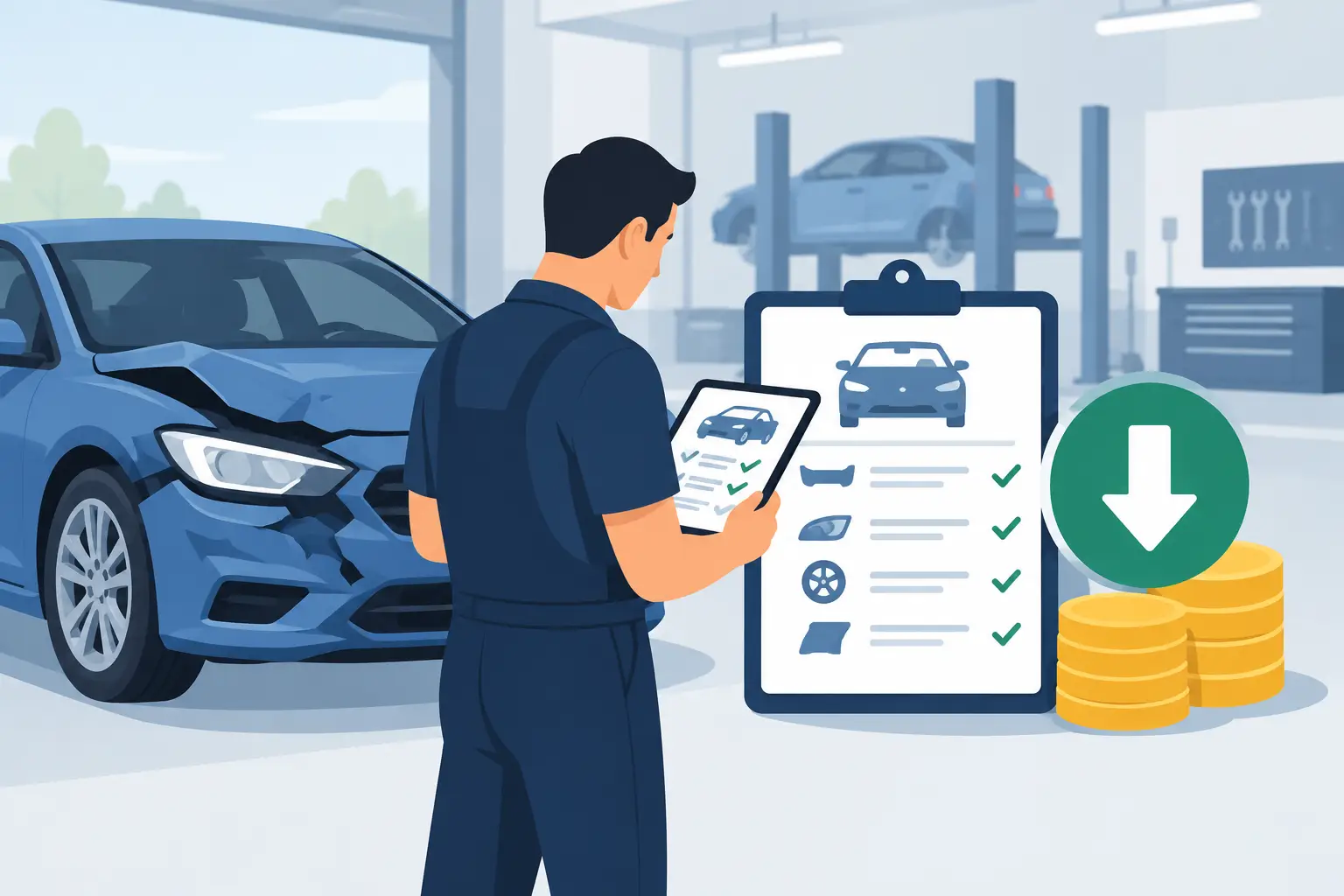


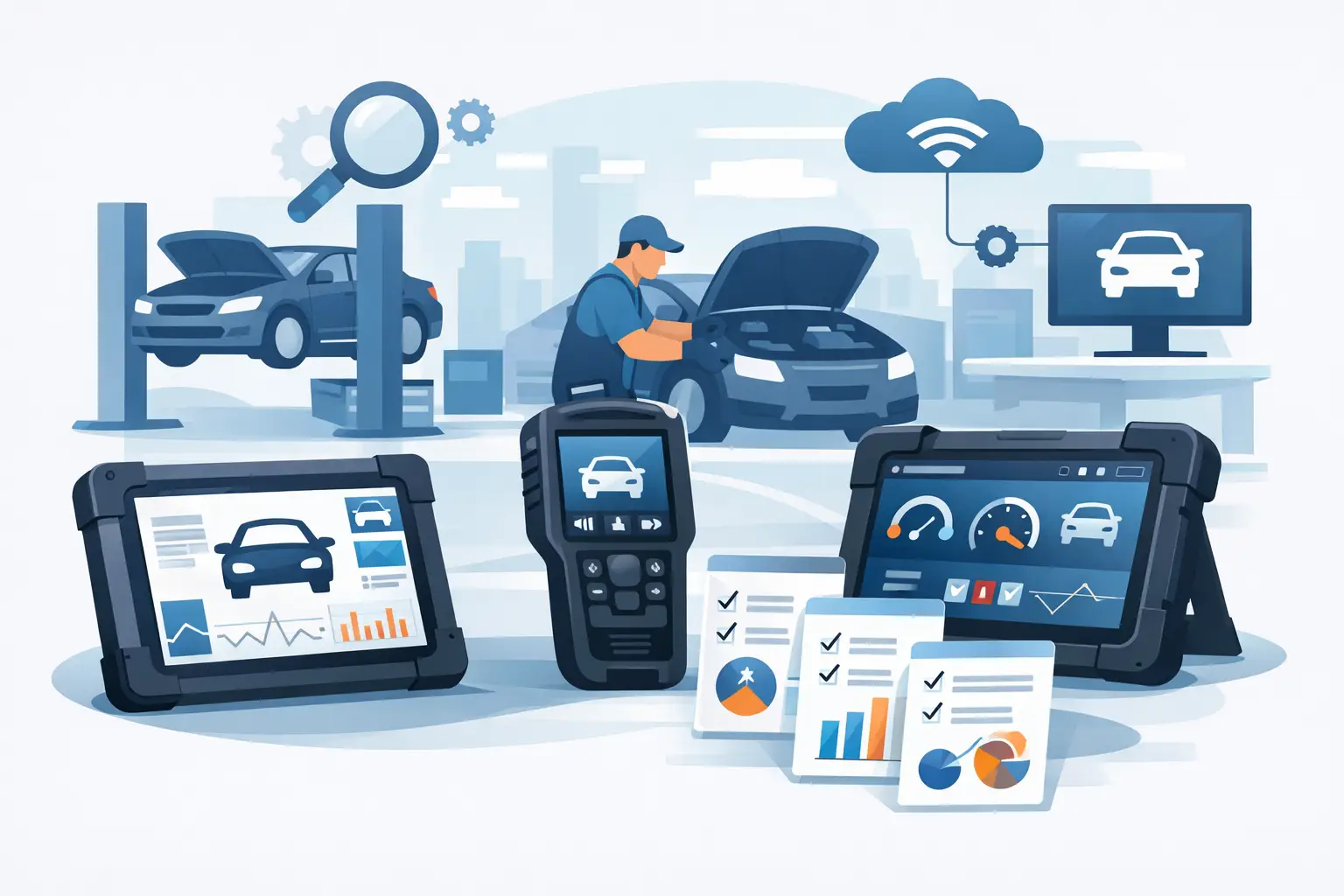
A diagnostic decision that saves $2,000 on the front end can cost a repair operation far more when a vehicle ties up a bay, a sublet is required, or an incomplete scan becomes a liability issue. An automotive diagnostic platform comparison is therefore no longer a question of which scan tool has the longest feature list. For collision centers, mechanical shops, dealer-affiliated operations, and multi-shop networks, it is a workflow, capacity, compliance, and margin decision.
Modern vehicle architecture has raised the stakes. ADAS, gateway modules, electrified powertrains, software-defined functions, secure vehicle access, and expanding OEM repair procedures have made diagnosis less isolated from the rest of the repair plan. The platform a business selects affects how quickly it can write a repair plan, validate a repair, document calibrations, resolve exceptions, and return a vehicle without creating a preventable comeback.
What an Automotive Diagnostic Platform Comparison Must Measure
The most useful comparison starts with the shop’s repair mix rather than the platform vendor’s marketing categories. A general mechanical facility seeing a broad mix of late-model domestic and import vehicles has different needs from a collision operation handling structural repairs, restraint-system events, and ADAS-related scans. A high-volume MSO has another set of requirements: standardized processes, centralized reporting, controlled user access, predictable subscription management, and performance data across locations.
Vehicle coverage remains foundational, but coverage claims deserve closer scrutiny. A platform may communicate with a large number of makes and models while offering limited bidirectional control, incomplete special functions, or delayed support for newer model-year vehicles. Shops should assess the makes they actually repair, their average vehicle age, the share of EVs and hybrids entering the facility, and the systems most likely to create delays.
The practical question is not whether the platform can read a diagnostic trouble code. Most systems can do that. The question is whether it can support the next action: retrieve OEM-level data, perform a functional test, conduct initialization or relearn procedures, manage secure gateway access, produce an auditable report, or connect the shop to qualified remote assistance when the job exceeds internal capability.
Four platform models serve different operating needs
The market generally falls into four overlapping models:
- OEM factory tools and software provide the deepest vehicle-specific access and procedure alignment, but may require separate subscriptions, hardware, training, and account management across brands.
- Aftermarket multi-brand platforms offer broad coverage and can improve technician efficiency in mixed fleets, although depth can vary significantly by make, model year, and function.
- Remote diagnostic platforms connect the shop to off-site specialists who can perform advanced scans, programming support, or guided diagnostics. They can reduce sublet movement and technician interruption, but response times and per-event costs must be managed.
- Integrated scan and calibration workflow platforms emphasize documentation, repair-plan visibility, and coordination between scanning, estimating, and calibration steps. Their value rises when operations need consistent process control across multiple locations.
Many successful operations use more than one model. A collision center may use an integrated workflow platform for pre- and post-repair scanning, retain aftermarket tools for routine needs, and escalate select procedures to OEM software or a remote specialist. That is not duplication if each layer has a defined role. It becomes wasteful only when technicians lack clear escalation rules and managers cannot see the total diagnostic cost per repair order.
Workflow Fit Matters More Than Tool Count
Diagnostic capacity is often discussed as a technical capability, but it is also a throughput issue. If an estimator cannot quickly identify scan requirements, if a technician has to hunt for the correct procedure, or if documentation stays outside the repair file, the operation has added handoffs rather than removed them.
For collision repairers, the platform should support a repeatable sequence from intake through delivery. That includes identifying pre-repair scan needs, flagging calibration dependencies after structural or suspension work, capturing post-repair results, and recording exceptions. The documentation must be usable by production staff, quality-control personnel, customers, insurers, and, where necessary, legal or compliance teams. A PDF with raw trouble codes may be adequate in one scenario, while another requires clearer evidence of completed procedures and technician validation.
Mechanical shops face a related but different workflow test. The system needs to help technicians move from code retrieval to root-cause diagnosis without encouraging parts replacement by guesswork. Live data, graphing, guided tests, bidirectional controls, service information access, and known-fix references can all affect diagnostic time. However, more information is not automatically better. A crowded interface or a poorly organized knowledge base can slow an experienced technician who needs a fast answer under a loaded schedule.
Platform integration should be evaluated against current processes, not an imagined perfect-state workflow. Ask whether the system exports results into the shop management system, estimating platform, or repair file without rekeying. Determine whether it supports role-based access for estimators, technicians, managers, and remote partners. For an MSO, confirm whether leadership can compare scan rates, sublet activity, diagnostic revenue, cycle-time effects, and exception patterns by location.
Subscription Economics Require a Total-Cost View
The purchase price of a device is one of the least useful comparison points. Diagnostic costs now include software subscriptions, OEM access, secure gateway credentials, remote-support events, calibration coordination, technician training, replacement hardware, internet reliability, and internal administration.
A lower-cost platform can make financial sense for a small independent with predictable vehicle mix and limited advanced-function demand. It can be the wrong choice for a collision network where a missed operation, extra day of cycle time, or unmanaged sublet can outweigh the subscription difference many times over.
Repair leaders should model cost at the repair-order level. Start with scan volume, then separate routine scans from vehicles likely to need programming, module configuration, calibration, or OEM intervention. Estimate the labor time spent obtaining approvals, moving vehicles, waiting for outside support, and reconciling invoices. Then compare that baseline with the platform’s annual and transaction-based costs.
Revenue capture deserves equal attention. Shops should have a defensible process for identifying, documenting, and billing diagnostic operations where appropriate. The goal is not to turn every warning light into a line item. It is to ensure required operations are performed, supported by repair procedures, communicated clearly, and not absorbed as untracked overhead.
Cybersecurity and Account Control Are Now Operational Requirements
Secure gateways and subscription-based OEM ecosystems have changed who can access a vehicle and under what conditions. A diagnostic platform comparison should include cybersecurity controls, credential ownership, user provisioning, multi-factor authentication, data retention, and the process for removing former employees or vendors from system access.
This is particularly relevant for larger repair networks and dealer groups. A shared login may seem convenient at the technician level, but it weakens auditability and creates continuity risk when staffing changes. Likewise, accounts established under an individual employee rather than the business can complicate renewals, vendor relationships, and access to historical records.
Remote diagnostics require similar discipline. Management should understand what vehicle information is transmitted, where reports are stored, how remote users authenticate, and whether the provider’s process creates a clear activity record. The answer may vary based on insurer program requirements, customer privacy practices, and the type of repair being performed.
Build a Pilot Around Exceptions, Not Easy Jobs
A short pilot on simple vehicles will not reveal much. The better test group includes the work that currently creates disruption: late-model European vehicles, post-collision ADAS repairs, vehicles with network communication faults, hybrids and EVs, and jobs requiring module replacement or secure access.
During the pilot, track time from vehicle arrival to completed scan, technician touch time, remote-support wait time, successful completion of required functions, report quality, and the number of repairs that still need to leave the facility. Include estimators and production managers in the evaluation. A platform that technicians like but estimators cannot document consistently may not solve the business problem.
Training should also be part of the decision, not an afterthought. The best platform will underperform if technicians do not understand when to use it, when to escalate, and how to interpret results within the OEM repair process. Vendors that offer training, responsive technical support, and a workable implementation plan can justify a higher cost where the operational impact is measurable.
The right diagnostic platform is the one that makes required work visible, executable, and documentable at the moment it affects the repair. For shop leaders, that discipline turns diagnostics from a recurring source of friction into a controllable part of production planning.