










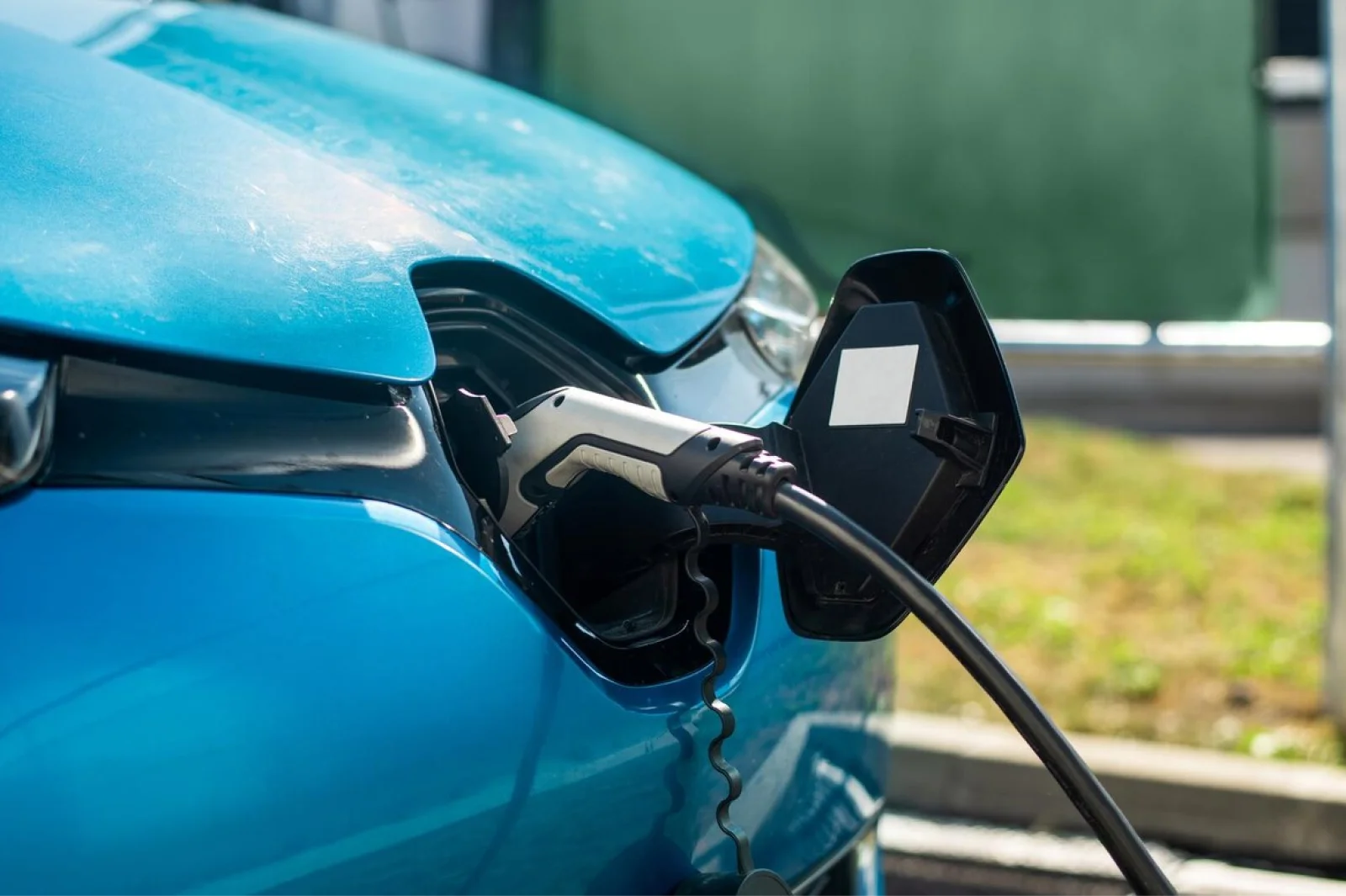
Canadian electric vehicle infrastructure startup AstraX Charging Network Inc. has deployed its first public DC fast-charging installation at 7500 Woodbine Ave. in Markham, Ontario. The site represents the network’s shift from sandbox software validation to active marketplace deployment.
The Woodbine Avenue charging hub serves as the operational baseline for AstraX’s long-term commercial blueprint, which targets the installation of 1,000 high-output charging stations across Canada and the United States over the next five years.
Performance Metrics and Hardware Specifications
The Markham fast-charging asset features hardware configured for high-throughput, point-of-sale public convenience. Core functional parameters validated during recent validation testing include:
- Power Delivery: Up to 100 kW of continuous direct current (DC) output, built to bypass standard onboard alternating current (AC) charging limits.
- Operational Throughput: Delivers approximately 100 kilometers of driving range within a 10-minute charging window, depending on the vehicle’s battery architecture and thermal limits.
- Pricing Structure: Positioned at a baseline rate of $10 per 10-minute session.
- System Integrations: Fully completed end-to-end payment terminal testing, accommodating direct credit card processing, mobile application digital wallets, and real-time remote infrastructure monitoring.
[100kW DC Grid Input] ──> [AstraX High-Power Terminal] ──> [10-Min / $10 Session] ──> [+100km Added Range]
“This is an important milestone for AstraXCharge,” stated Frank Lin, founder and president of AstraX Charging Network Inc.. “Bringing our first 100kW+ DC fast charging site into operation demonstrates our ability to deliver high-performance infrastructure and execute efficiently. This is the foundation for our continued network expansion.”
AstraX corporate representatives confirmed the Markham site will function as a live data-collection environment. The engineering team will monitor real-time thermal performance, payment processing cycles, and grid load variables to optimize hardware reliability before executing the company’s multi-regional scaling strategy.
Downstream Operational Takeaways for Collision and Shop Management
For collision repair center operators, regional estimators, and multi-shop operations (MSOs), the steady expansion of public high-output charging infrastructure carries distinct operational priorities:
- Mitigating Post-Repair Logistics Gridlock: As EV adoption accelerates, collision repair centers face an increasing administrative and logistical burden related to post-repair battery replenishment. Shops frequently return vehicles to customers with depleted batteries due to post-accident storage cycles and extended diagnostic scanning sequences. Access to localized 100-kW fast chargers helps shops quickly top off battery levels right before vehicle delivery, preventing delays and keeping the delivery schedule moving.
- Mandatory Cycle-Time Charging Protocols: OEM repair procedures for complex electrical architectures increasingly require battery packs to be held within specific state-of-charge (SoC) margins—typically between 20% and 50%—during structural scanning, ADAS calibrations, and post-assembly cycles. Shops that lack high-voltage electrical infrastructure in their own diagnostic bays can utilize nearby commercial fast-charging networks to manage these requirements efficiently without stalling cycle times.
- Balancing Shop Peak-Demand Grid Fees: While retrofitting a collision center with internal DC fast chargers provides immediate access, it often triggers expensive industrial peak-demand fees from local utility companies. Understanding the local public fast-charging grid allows MSO managers to weigh the return on investment of installing expensive shop hardware against outsourcing final battery charging to nearby commercial networks.