













The structural intersection of advanced technology, alternative component standards, and high-velocity facility management takes center stage this autumn. The Automotive Recyclers Association (ARA) has finalized the operational framework for its 83rd Annual Convention and Exposition, scheduled for October 14–17, 2026, at the Cobb Galleria Centre in Atlanta, Georgia.
Operating under the central theme “Driving Connections, Fueling Growth,” this iteration of North America’s premier recycling convergence focuses directly on stabilizing alternative parts pipelines amidst shifting macroeconomic conditions, severe weather volatility, and evolving insurance requirements.
Technical Program & Structural Track Focus
The 2026 educational matrix moves away from general facility overviews, introducing targeted tracks built around strict quantitative metrics and digital workflow integrations:
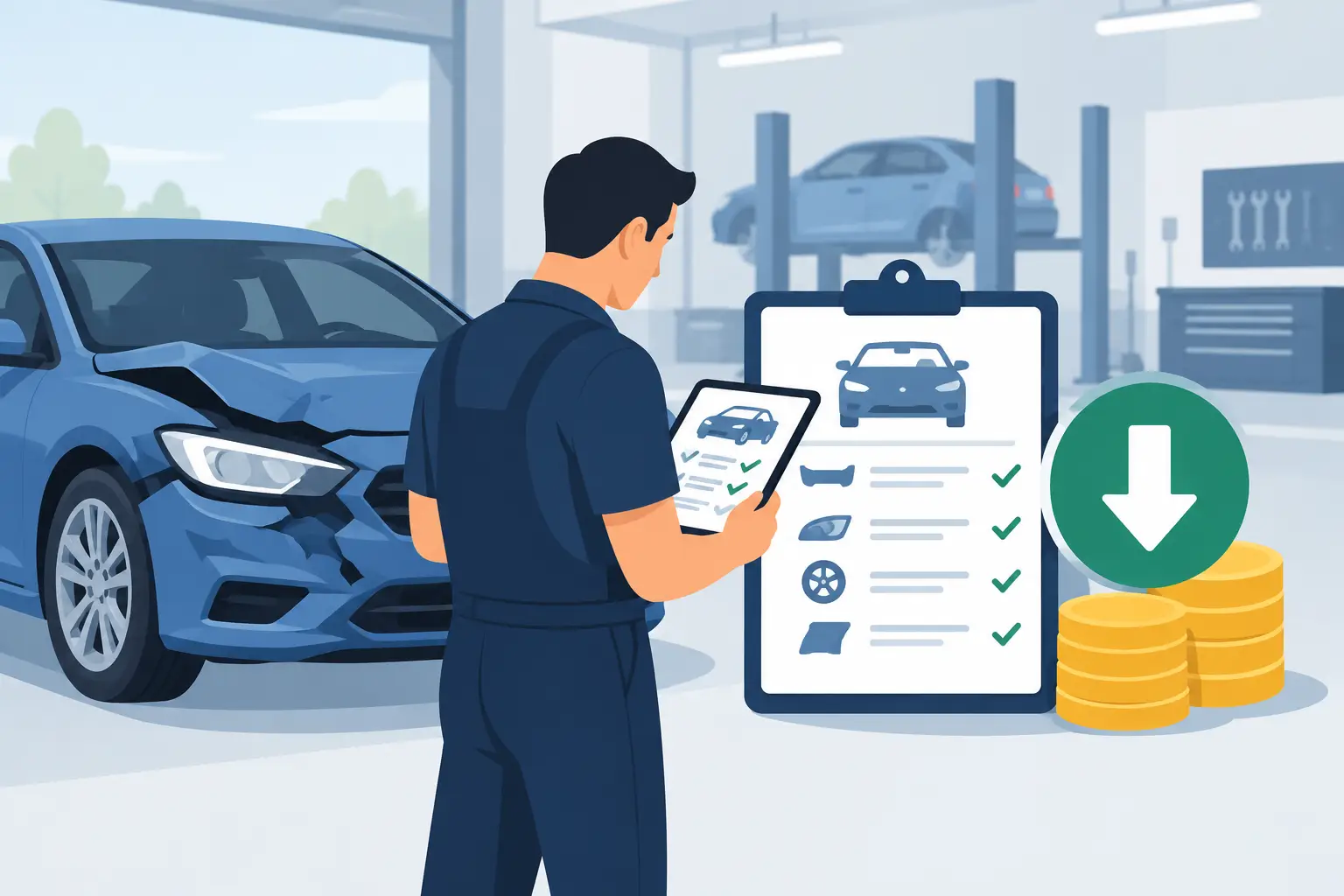
- Algorithmic Triage and Artificial Intelligence: Sessions will focus on deploying computer vision and machine learning models directly at the intake gate. Recyclers will evaluate data structures that automatically score incoming salvage vehicles for component yield, identify macro structural damage profiles, and match unharvested assemblies against real-time multi-shop operation (MSO) procurement demands.
- Evolving Quality Assurance (QA) Standards: As multi-brand OEM certifications become stricter across the collision sector, the definition of a “certified recycled component” requires bulletproof verification. Presentations will cover standardized line-item grading protocols, dynamic vin-mapping, and geometric tolerances required to ensure alternative parts seamlessly integrate into advanced ADAS blueprinting workflows without triggering insurance supplement delays.
- Self-Service Performance Optimization: Operational directors overseeing high-volume self-service yards will review key performance indicators (KPIs) linked directly to fluid extraction compliance, environmental mitigation, crush-cycle optimization, and retail rotation strategies designed to maximize yield per square foot.
- Strategic Insurance & Risk Management: Underwriters and executive panels will address the firming insurance market, property and casualty loss ratios driven by recent environmental events, and the expanding risk vectors associated with storing, de-energizing, and transporting high-voltage electric vehicle (EV) battery packs within the traditional yard environment.
                      ┌──> Artificial Intelligence (Computer Vision Intake Sorting)
                      │
[ARA 2026 Core Focus] ├──> Quality Assurance (ADAS-Compliant Part Grading & Standards)
                      │
                      └──> Capital Infrastructure (EV Battery Safety & Self-Service KPIs)
Exposition Logistics and Vendor Ecosystem
The industrial trade show floor acts as a live procurement pipeline for advanced shop infrastructure, giving recycling operators direct access to the latest equipment, administrative systems, and logistics tools.
Delegate Intake & General Sessions
Wednesday, October 14, 2026
Registration grids open, paired with early leadership development modules and localized regional association alignment meetings.
Past Presidents Reception & Expo Launch
Thursday, October 15, 2026
Official cutting of the ribbon opens the trade show floor, highlighting heavy machinery vendors, chemical fluid extraction systems, and enterprise software architectures.
General Exposition & Technical B2B Tracks
Oct 16–17, 2026
Extended hall hours provide direct access to automated inventory cataloging tools, green-recited logistics chains, and technical parts-brokerage networks.
Downstream Takeaways for Collision and Automotive Management
For collision repair directors, MSO procurement managers, and independent facility owners, the development tracks at the ARA Convention carry immediate operational relevance:
- Mitigating Alternative Parts Disruption: As recyclers adopt automated AI inventory platforms, the time elapsed between a vehicle being written off at salvage and its components appearing on parts-brokerage networks will drop dramatically. Collision estimators who leverage real-time API links to these updated inventories can secure verified alternative parts during early blueprinting, stabilizing cycle times.
- Navigating Strict OEM Certification Conflicts: The heavy emphasis on QA standards at the ARA directly mirrors the structural constraints shops face from OEM networks regarding part sectioning rules. Recyclers utilizing high-definition imaging and certified parts grading give shops the documented transparency they need to justify alternative parts choices to both insurance adjusters and vehicle owners.
- Building a Secondary EV Battery Pipeline: The insurance and technical discussions surrounding high-voltage battery tracking indicate that the salvage sector is building out the infrastructure needed to manage electric powertrains. As these practices become standardized, shops will gain access to a reliable, cost-effective stream of recycled modules, thermal systems, and structural electric vehicle components, helping keep severity metrics stable on complex EV claims.