










Chinese vehicle manufacturer Dongfeng Motor Corp has launched its official Canadian digital platform. The website introduces the automaker’s global product profiles, outlines national distribution frameworks for prospective Canadian dealer partners, and establishes a foundational market FAQ section.
While the web platform serves as an introductory asset for domestic automotive stakeholders, corporate management confirmed that all featured vehicle platforms are currently undergoing standard Transport Canada safety, structural, and environmental homologation. Dongfeng will update the digital platform with final Canadian product configurations, mechanical specifications, and commercial release timelines once formal regulatory clearances are approved.
As a preliminary introduction to the regional automotive market, Dongfeng and its national importer, North World Industry Inc., hosted a physical vehicle showcase at the Grand Quai of the Port of Montreal on July 14, 2026. The presentation featured a selection of six alternative-powertrain platforms:
- Voyah Free: Premium Plug-in Hybrid SUV
- Box 01 EV: Compact Electric Crossover
- Eπ 007 EV: Electric Performance Sedan
- Eπ 008 PHEV: Premium Family Plug-in Hybrid SUV
- Vigo EV: Electric SUV for daily driving
- MHERO 817: Plug-in Hybrid Off-Road SUV
Julie Mazorra Fernández, director of North World Industry, stated that the entry-level configurations—specifically the Vigo compact SUV and the Box subcompact hatchback—are projected to enter the Canadian commercial space with pricing tiers positioned below $35,000.
Technical Specifications: Target Entry Models
The table below breaks down the global engineering baselines for the initial pair of vehicle platforms currently submitted for Canadian market certification:
| Model Platform | Vehicle Class | Factory Drivetrain | Battery Chemistry | Electric Motor Output | Estimated Price Target |
| Box 01 EV | Subcompact Crossover | Front-Wheel Drive | Lithium Iron Phosphate (LFP) | 70 kW / 94 hp | Under $35,000 CAD |
| Vigo EV | Compact SUV | Front-Wheel Drive | Lithium Iron Phosphate (LFP) | 120 kW / 161 hp | Under $35,000 CAD |
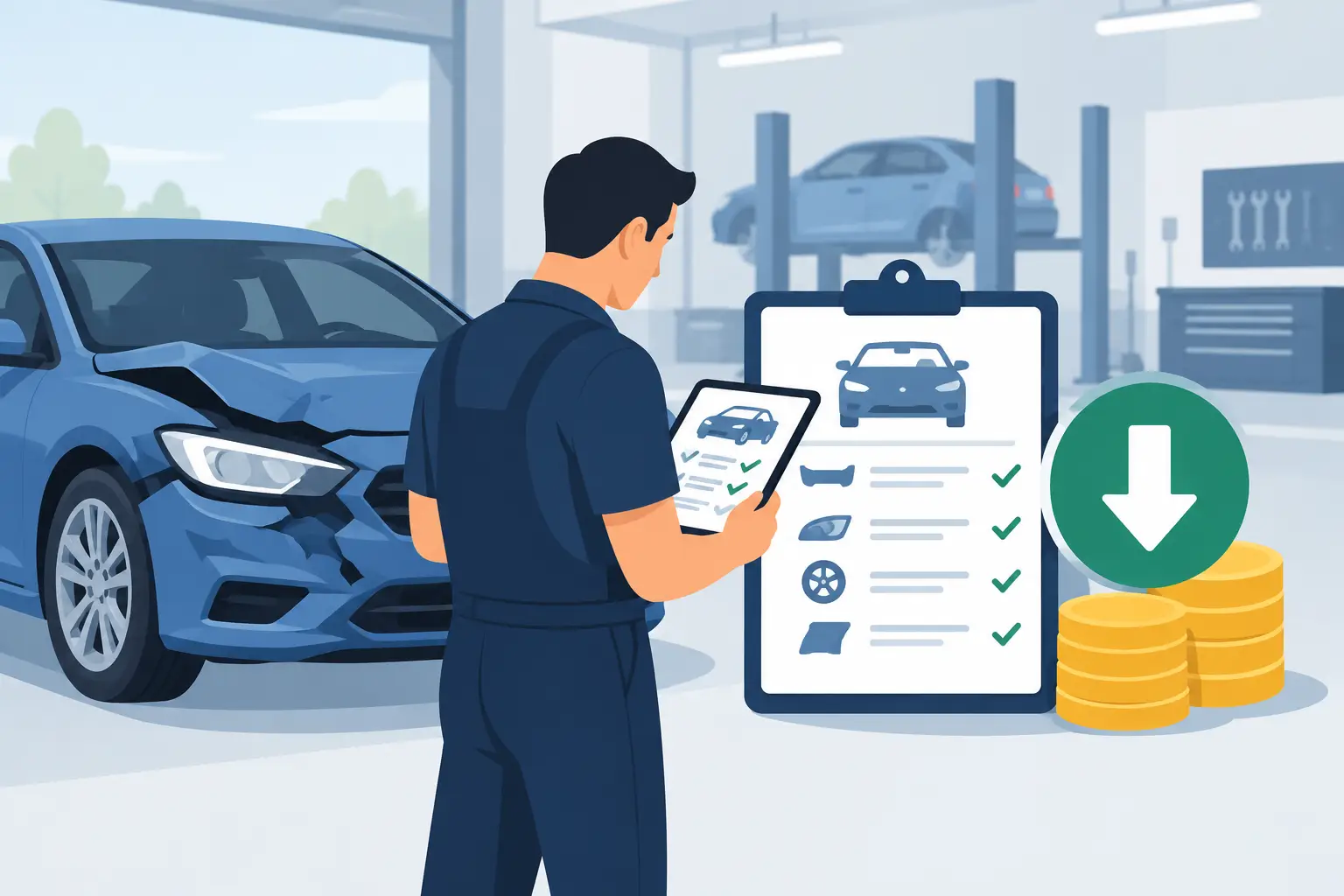
Operational Realities for Collision Repair Management
For North American automotive repair operations, the prospective introduction of a new global automotive brand introduces several key structural and workflow considerations:
- OEM Documentation Pipelines: As these vehicle platforms advance through the Canadian certification process, the establishment of comprehensive, localized OEM repair procedures remains an industry necessity. Facilities will require clear documentation governing high-voltage (HV) battery de-energization, structural sectioning limits, and advanced driver assistance system (ADAS) target requirements.
- Alternative Substrate Welds: The use of distinct structural architectures requires estimators and technicians to verify exact metal composition. The integration of modern battery frame enclosures and lightweight alloys mandates careful evaluation of calibration and joining methods to ensure post-collision structural integrity.
- Supply Chain Logistics: The entry of a new global manufacturer requires the development of a dedicated local parts distribution network. Repair facilities and insurance partners will closely monitor the availability of replacement body panels, safety modules, and electronic sub-components to assess potential impacts on keys-to-keys cycle times.