







The Ontario Motor Vehicle Industry Council (OMVIC) has expanded its board governing structure, electing John Ulman as an industry director during its annual meeting on June 25, 2026. Ulman currently serves as the director of finance at Georgian Chevrolet Buick GMC, a dealership network operating under the CanadaOne Auto Group corporate umbrella.
OMVIC functions as the official administrative regulator for all motor vehicle dealers and registered salespeople across Ontario. The council’s board provides strategic governance and financial oversight, administering enforcement frameworks, dealer registration mandates, consumer protection initiatives, and general compliance under the Motor Vehicle Dealers Act, 2002.
Executive Board Appointments and Committee Leadership
Following the conclusion of the general annual voting session, the board finalized its internal leadership positions and standing committee chairs for the upcoming administrative term:
| Elected Board Member | Corporate Designation | Assigned Committee or Position | Stated Mandate & Scope |
| John Ulman | Industry Director | Active Board Representative | Dealership performance, commercial operational compliance, and industry advocacy. |
| Linda Franklin | Public Director | Board Vice-Chair | Strategic governance, public interest advocacy, and organizational continuity. |
| E. Patrick Shea | Board Member | Chair, Audit, Finance, and Risk Committee | Financial statement auditing, risk mitigation parameters, and fiscal compliance oversight. |
| Glen Padassery | Board Member | Chair, Governance and Nominating Committee | Council board skills matrix management, nomination workflows, and regulatory policies. |
Concurrently, board member Sohail Ahmed officially concluded his term as an active industry director. Prior to finishing his board service, Ahmed held positions within the council’s executive group, serving as secretary-treasurer and chair of the Audit, Finance, and Risk Committee.
Provincial Compliance and Regulatory Enforcement
Stephen Crawford, the Ontario Minister of Public and Business Service Delivery and Procurement, attended the annual meeting to address the province’s automotive retailing infrastructure. The ministry’s remarks focused directly on maintaining commercial marketplace transparency and refining auto sales protections to insulate consumers from unfair trade practices.
“Strong consumer protections are essential to building trust and fairness for Ontarians,” Minister Crawford published in a public policy assessment following the regulatory summit.
Downstream Operational Takeaways for Collision and Repair Networks
For collision repair multi-shop operations (MSOs), independent body shop owners, and diagnostic compliance managers across Ontario, changes inside provincial dealership leadership carry clear operational realities:
- Tighter Alignment on OEM Sublet Procedures: Dealership finance and operational directors are placing a high premium on regulatory compliance and customer index standards. When collision shops partner with franchised dealers for complex mechanical repairs or module programming, they can expect stricter documentation demands. Providing transparent estimates up front protects the legal standing of both the repair center and the dealer network under provincial law.
- A Professional Standard for Alternative Parts Sourcing: With OMVIC pushing for tighter enforcement and customer advocacy, the transparency of the parts procurement process is under higher scrutiny. When estimators mix alternative, recycled, or aftermarket components into a repair plan, the vehicle’s history must be meticulously documented. Using integrated digital blueprinting software to verify parts origins keeps estimators fully compliant with local transparency mandates.
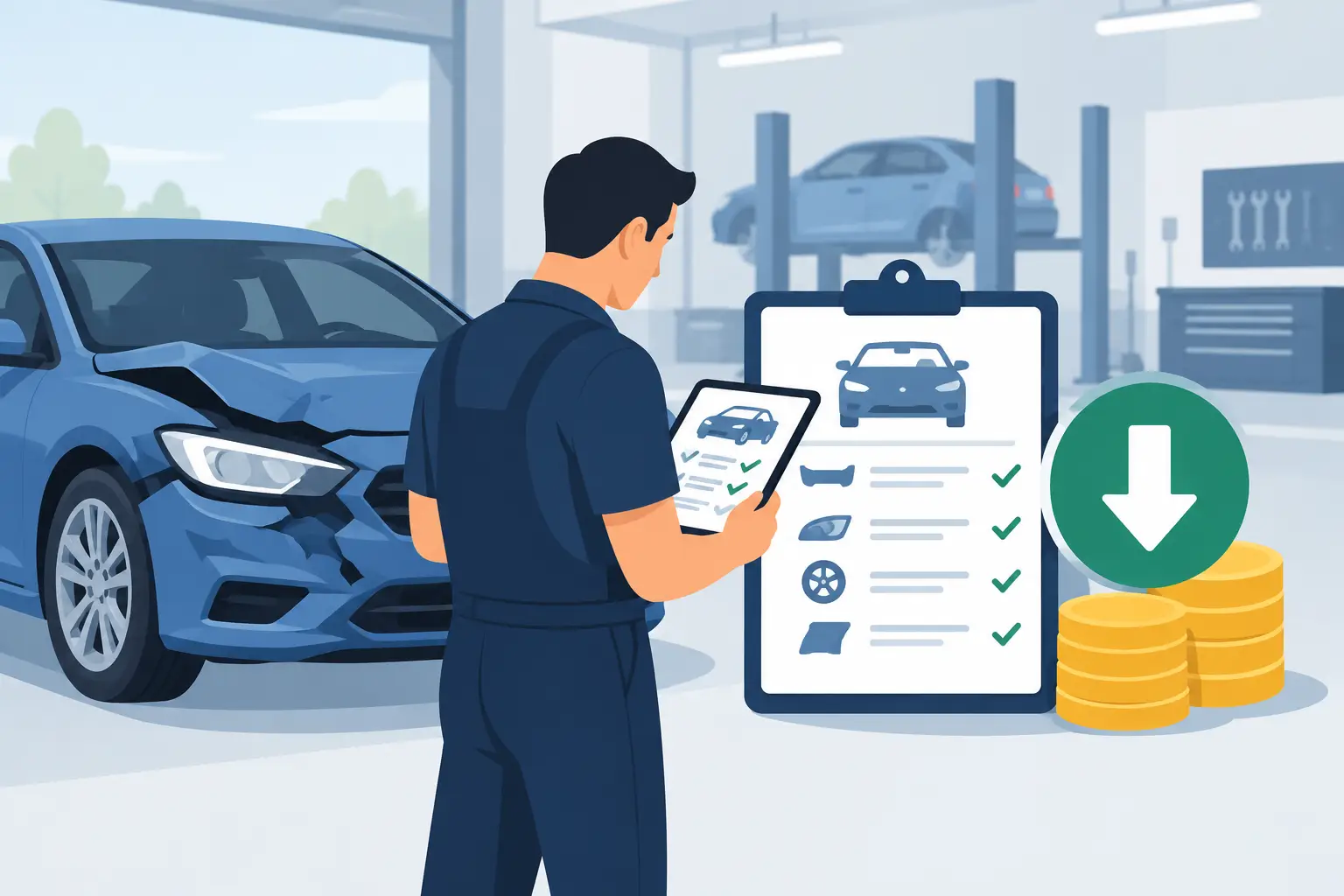
- Preparing for Stricter Salvage Disclosures: The ministry’s strong focus on consumer protections suggests that regulations surrounding vehicle damage branding and structural total-loss history tracking will remain highly strict. Repair networks must use detailed pre- and post-repair diagnostic scans to capture every error code. Generating these unalterable digital repair files protects the shop against downstream liability if a vehicle’s resale value or structural safety history is challenged later.